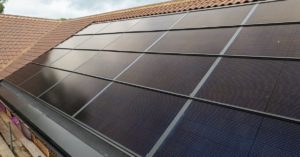
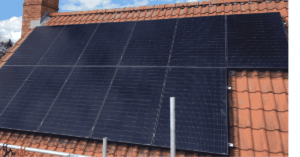
If you’ve been thinking about getting solar panels, you’re not alone. Across Suffolk, more and more homeowners are making the switch to clean, renewable energy – whether it’s to cut bills, live more sustainably, or simply become less dependent on the grid.
But before booking an installation, one of the first questions we get asked is: “Is my home suitable for solar?”
The good news? In most cases, yes – but there are a few key things to check first.
Here’s what really matters (and how to know whether solar panels could work for your home, farm, or business).
1. Roof Direction and Sunlight
In the UK, solar panels perform best when they’re south-facing, as they get the most consistent sunlight throughout the day.
That said, roofs facing east or west can still generate plenty of energy – sometimes only 10–15% less than a perfectly south-facing system. The main thing is that your panels have good exposure to daylight and minimal shade from trees or nearby buildings.
You don’t need blazing sunshine all day long. Solar panels generate power from daylight, not heat, so they’ll still work on cloudy Suffolk days.
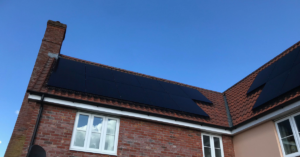
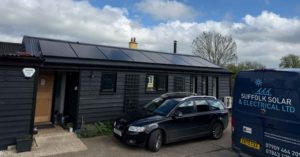
If your property has multiple roof sections or an outbuilding (like a garage or barn), it’s worth asking your installer to assess which area would give you the best return.
2. Roof Type and Condition
Solar panels are lightweight, but your roof still needs to be in good condition before installation. If your tiles are cracked or you’re planning roof repairs soon, it’s best to get that sorted first – it’s much easier (and cheaper) to do before panels are fitted.
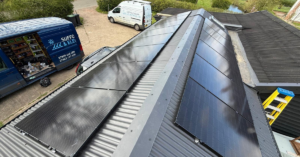
Most types of roofing, including slate, clay and concrete tiles, are perfectly suitable for solar. If you have a flat roof, panels can be mounted at an angle using specialist brackets to make sure they capture enough daylight.
When we carry out a free survey, we always inspect the structure to make sure it’s safe and strong enough to hold the system securely for decades.
3. Shading and Surroundings
Even small amounts of shade can impact how efficiently solar panels perform. Trees, chimneys, or nearby buildings that block sunlight for long periods can reduce your output slightly.
That’s why it’s worth having a local installer (like us!) visit your property – we can use simple tools and mapping software to identify potential shading issues and suggest the best layout.
If shading is unavoidable on part of the roof, there are modern options such as microinverters or optimisers, which ensure one shaded panel doesn’t affect the others.
4. Your Energy Use and Bills
Understanding how much electricity you use (and when you use it) is key to designing a solar system that fits your lifestyle. For example:
- If you’re at home during the day, you’ll use more of your solar power directly.
- If you’re out during working hours, pairing solar with battery storage lets you save excess energy to use later in the evening.
When we plan your system, we’ll look at your past electricity bills and your typical daily patterns to recommend the right system size – ensuring you get the most value from your investment.
5. Do You Need a Battery?
Battery storage isn’t essential for everyone, but it’s becoming increasingly popular.
A battery allows you to:
- Store excess energy generated during the day
- Use it later when the sun isn’t shining
- Rely less on the grid during peak times
This means lower bills and greater energy independence – especially useful during winter months when daylight is shorter.
You can also earn money back through Smart Export Guarantee (SEG) payments if you export unused energy to the grid.
6. Roof Space and System Size
You don’t need a huge roof to make solar worthwhile. A typical home system might use 8–12 panels, taking up roughly 15–25m² of space.
If you have a smaller or shaded roof, it’s still possible to design a system that fits – or to install part of it on a garage, extension, or ground mount.
We’ll talk you through all the options during your survey so you can decide what makes the most sense for your home or business.
7. Local Planning and Permissions
Most solar installations in Suffolk fall under ‘permitted development’, meaning you don’t usually need planning permission – as long as the panels don’t stick out too far from the roof or face a public highway.
If your property is listed, in a conservation area, or you live in a rural zone, we can check the local guidelines for you and liaise with the relevant authorities if needed.
We’ve worked on everything from modern builds to farm buildings and cottages, so we’ll always make sure everything is compliant before installation begins.
8. Choosing the Right Installer
Solar is a long-term investment, so it’s important to choose a trusted, certified installer.
Look for:
- MCS certification (guarantees quality and eligibility for export tariffs)
- Insurance-backed warranties
- Local reputation and support
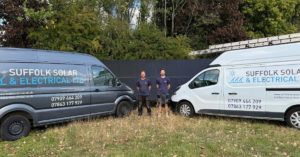
At Suffolk Solar & Electrical, we’re family-run, MCS-certified, and we pride ourselves on clear advice and tidy, professional work. We’ll never use pushy sales tactics – just honest recommendations based on what’s right for you.
So, Is Solar Worth It for You?
If your roof gets a reasonable amount of daylight and is in good condition, there’s a very good chance solar will work for you.
Even if you’re unsure, it’s always worth getting a free, no-pressure survey. We’ll visit your property, assess your roof and surroundings, explain what you could save, and answer any questions you have.
No jargon. No obligation. Just straightforward, local advice.
Ready to Find Out If Solar Works for You?
We install solar panels, battery systems and EV chargers across Suffolk, including Ipswich, Woodbridge, Stowmarket, and surrounding areas.
If you’d like to see whether your home or business is suitable, get in touch to book your free, no-pressure survey today.