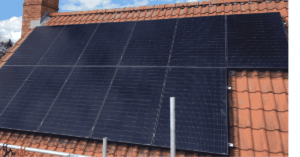
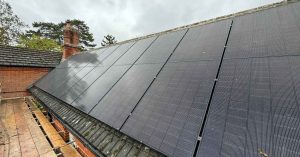
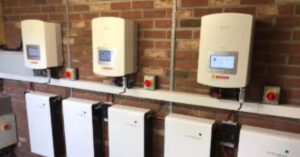
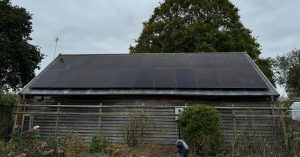
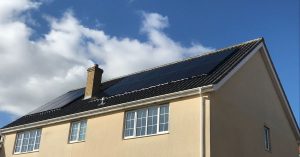
Solar panels are now one of the most common home upgrades across Suffolk – and it’s easy to see why. More homeowners, farmers and businesses are generating their own electricity, cutting their bills, and reducing their reliance on an unpredictable energy market.
But with so much information out there, one question still comes up regularly when we speak to customers:
Is solar actually worth it in 2026?
In this guide, we’ll walk through what affects your savings, how the technology has improved, and what to consider before installing a system – so you can make the right decision for your home.
Energy Prices Aren’t Going to Get Cheaper
One of the biggest drivers behind the rise in solar is simple: energy bills.
Over the last few years, households across the UK have experienced dramatic swings in electricity prices. While costs fluctuate, the long-term direction has been clear – and waiting for energy to become reliably affordable isn’t a strategy many homeowners can afford to rely on.
Solar panels allow you to generate your own electricity instead of buying it all from the grid. That means a significant portion of your daily energy use can come directly from your roof – and that’s a form of stability no energy tariff can offer.
Solar Works Well in Suffolk – Even in Winter
A common misconception is that solar only makes sense in hot, sunny climates. In reality, solar panels generate electricity from daylight, not heat – which means they continue producing energy even on overcast days.
The UK has plenty of daylight throughout the year, and modern panels are far more efficient than older systems, generating more power from lower light levels than was possible even five years ago.
We consistently see strong output from systems we’ve installed across Suffolk, including through overcast autumns and winters. Your location in the county, your roof pitch, and the direction it faces will all influence performance – which is exactly why a proper survey matters before any system is designed.
What Difference Does It Make to Your Bills?
During the day, when your panels are generating electricity, your home draws from that first. Every unit you produce is one you don’t need to buy from the grid – and over the course of a year, that adds up significantly.
Your exact savings will depend on several factors: your roof’s orientation and any shading, how much electricity your household uses, whether you add battery storage, and current electricity prices. But for most homes we work with across Suffolk, the long-term financial case is clear.
Battery Storage Changes the Equation
One of the most significant developments in recent years has been the rise of home battery storage – and it’s changed the way many homeowners think about solar.
Without a battery, any electricity your panels produce that you don’t use immediately is exported back to the grid. With a battery, you store that surplus and use it in the evening, when most households consume the most energy and grid electricity is most expensive.
The result is greater energy independence, lower evening bills, and far better use of everything your system generates. Most of our customers in Suffolk now choose solar and battery storage together, and the difference in self-sufficiency is substantial.
You Can Also Earn from What You Export
Even with battery storage, there will be times – particularly in the summer months – when your panels produce more than you can use or store.
Through the Smart Export Guarantee (SEG), energy suppliers are required to pay you for electricity you export back to the grid. Rates vary by supplier and tariff, so it’s worth comparing options, but it represents a genuine ongoing financial return on top of your bill savings. It won’t transform the economics of solar on its own, but over the lifetime of a system, it contributes meaningfully.
Solar Also Adds Value to Your Home
Beyond the bill savings, a well-installed solar system makes your home more attractive to future buyers. Energy efficiency has become an increasingly important factor in property decisions – and a home that generates its own electricity, with a strong EPC rating to show for it, stands out.
The Right System Design Makes All the Difference
This is something we feel strongly about. Every home is different – roof size and orientation, shading from trees or neighbouring buildings, your household’s energy patterns, whether you drive an electric vehicle – and a system that hasn’t been designed around those specifics will never perform as well as it should.
Off-the-shelf packages and headline prices rarely account for the detail that makes the real difference. Whether it’s a modern family home, a period property, or a farm installation, we design every system around what will actually work best for that particular building and the people living in it.
That’s why every job we take on starts with a proper survey – not a quote over the phone.
Solar Is Long-Term Thinking
Solar isn’t a short-term trend. It’s part of a broader shift in how we produce and use energy – one that’s accelerating as electric vehicles become more common and energy systems become smarter.
A well-installed solar system can continue generating electricity reliably for decades. The technology is proven, the financial case is strong, and the environmental benefits are real. For many homeowners and businesses, it’s simply the most sensible investment they can make in their property right now.
Thinking About Solar for Your Home?
If you’re wondering whether solar would work for your property, the best place to start is with a free survey from our team.
We’ve been installing solar panels, battery storage and EV chargers across Suffolk for years, and we’re proud to be MCS accredited – which means every system we install meets the national quality standard required to access the Smart Export Guarantee and government incentives.
We work across: 📍 Ipswich · 📍 Woodbridge · 📍 Stowmarket · 📍 Surrounding Suffolk areas
Get in touch to arrange your free survey. We’ll assess your roof, talk through your energy use, and give you honest, straightforward advice on what would work best for your home – with no obligation to go ahead.